



28 February 2025
What is flame-resistant clothing made of?
Flame resistant (FR) clothing is made from either inherently flame-resistant fibres, such as aramids and modacrylic, or fabrics such as cotton that have been treated to resist ignition and flame spread. These materials behave differently when exposed to heat and flame, but both can be used to make protective workwear that meets the required performance standards.
The fabric is only part of the picture. Fibre composition, fabric weight, garment construction, laundering requirements and the specific workplace hazard all affect which material is suitable. Below, we look at the main types of fire-resistant fabrics, what gives them their protective properties and how their performance is tested.
How do flame-resistant fabrics work?
Flame-resistant fabrics are designed to reduce the way a material ignites, burns or transfers heat when exposed to a defined hazard. Depending on the fibre or treatment, the material can resist ignition, limit flame spread or self-extinguish after the ignition source is removed.
FR fabrics are designed to:
- Resist ignition: The material is less likely to ignite when exposed to flame.
- Limit flame spread: If ignition occurs, the fabric is designed to slow or restrict continued burning.
- Self-extinguish: Once the ignition source is removed, suitable FR fabrics stop burning rather than continuing to support combustion.
- Reduce heat transfer: Some FR fabrics also help limit the amount of heat reaching the wearer, depending on the fabric and the hazard involved.

Inherently flame-resistant fibres achieve this through their chemical structure. Treated fabrics start with a material such as cotton and use a durable flame-retardant treatment to change how the fabric reacts to fire.
Flame-resistant and heat-resistant clothing are not necessarily the same because the protection required depends on the type of heat or flame hazard. Our guide to flame-resistant vs heat-resistant clothing explains the distinction in more detail.
what fire-resistant fabrics are used in flame-resistant clothing?
There is no single fabric used for all flame-resistant work clothing. Manufacturers can use inherently flame-resistant fibres, treated fabrics or carefully designed blends, depending on the hazards the garment needs to protect against and the performance required.
Two categories are useful when comparing the materials: inherent FR fibres and flame-retardant treated fabrics.

1. Inherently flame resistant fibres
Inherent FR fibres have their flame-resistant properties built into their chemical structure. They do not depend on a surface treatment to provide that resistance, so the inherent property cannot simply be washed out.
Common examples include:
- Aramid fibres: materials such as Nomex® are inherently resistant to heat and flame. Other aramids, including Kevlar®, can be used within blends where additional strength or thermal performance is required.
- Modacrylic: an inherently flame-resistant synthetic fibre that is often blended with cotton or other fibres to balance protection with wearer comfort.
The final fabric may contain several fibre types rather than one material alone. For example, alsico uses modacrylic and cotton within some of its flame-resistant workwear, alongside anti-static fibres where additional protection is required.

2. Flame-retardant treated fabrics
Treated FR fabrics start with fibres that are not inherently flame resistant, most commonly cotton. A flame-retardant treatment is added during fabric manufacture so that the finished material reacts differently when exposed to fire.
These treatments are not all the same. Some are designed to remain effective through repeated laundering when the specified care instructions are followed, so treated FR fabric should not automatically be viewed as having temporary protection that simply washes away over time.
Treated cotton can also form part of a certified blend. Alsico, for example, currently uses both 100% FR treated cotton and FR cotton/polyester fabrics within garments certified for heat and flame hazards.
How do inherent and treated FR fabrics compare?
Inherent FR
How flame resistance is achieved
Flame resistance comes from the fibre’s chemical structure
Typical considerations
Protection cannot be washed out of the fibre; fabric blends, weight, comfort and durability vary
Treated FR
How flame resistance is achieved
A material such as cotton receives a durable flame-retardant treatment
Typical considerations
Performance depends on the treatment system, certified wash durability and correct laundering

Neither category is automatically the better choice for every workplace. Garment selection should be based on the risk assessment, required standard, expected laundering process, wear conditions and the needs of the workforce.
How are flame-resistant fabrics made?
The manufacturing process depends on the type of FR material. With inherent fibres, flame resistance is part of the fibre itself before yarn and fabric are produced. Those fibres can then be spun or blended with other materials to create fabrics with the required combination of protection, strength, weight and comfort.
Treated fabrics take a different route. Cotton or a cotton-rich fabric is produced first, then put through a controlled flame-retardant treatment process. Some durable treatment processes are designed to become part of the fabric rather than acting as a temporary surface treatment. The treated fabric is then finished and tested to confirm that it reaches the required level of performance.
How is flame-resistant clothing tested?
Flame-resistant clothing needs to be assessed against the standard that applies to its intended use rather than judged by fibre content alone. EN ISO 11612:2015, for example, covers protective clothing used where workers may be exposed to heat and flame. Its performance requirements include limited flame spread and different forms of heat exposure, including convective, radiant and contact heat, as well as molten metal where applicable.
Welding clothing has additional requirements under BS EN ISO 11611:2024.
If your organisation is specifying FR workwear, this means you should be checking the complete garment certification and performance levels against your workplace risk assessment, rather than choosing clothing because it contains a particular FR fibre.
How should you choose an FR fabric for your workforce?
Fabric composition is only one part of specifying flame resistant workwear. Start with the hazards identified in your organisation’s risk assessment and the standards and performance levels required for those hazards.
From there, compare factors such as fabric weight, expected wear life, laundering method and whether workers need other protective properties alongside flame resistance. Comfort and fit also deserve attention because protective clothing must remain practical for the people expected to wear it throughout their working day.
For larger workforces, consistency is important too. A fabric and garment specification needs to remain suitable across repeated laundering cycles and different wearer sizes while giving procurement and safety teams a reliable basis for replacement and stock planning.
How long do flame-resistant fabrics last?
There is no single service life that applies to every FR garment. Inherent fibres retain their built-in flame resistance, while durable treated fabrics can also maintain their FR performance through extensive laundering when used and cared for as specified.
Garment life also depends on wear, contamination, physical damage, laundering conditions and the manufacturer’s instructions. Your organisation should instead base inspection and replacement programmes on the garment specification and condition. Don't assume all flame-resistant clothes should be replaced after a fixed number of years.
Flame-resistant workwear from alsico
Alsico manufactures flame-resistant workwear and garments for organisations operating in environments where workers may be exposed to heat and flame hazards. Our range is designed to provide the required protection while also taking wearer comfort, fit and durability into account.
Our current range includes garments made from FR treated cotton, FR cotton blends and inherently flame-resistant fabric systems, with different certifications and performance levels available for different workplace risks. For larger organisations, our UK team can help you assess garment and fabric options against your workplace requirements, wearer needs, laundering arrangements and supply requirements. The aim is to specify workwear that provides the required protection while remaining practical for the people wearing it.
Garments within the range are available to meet relevant protective clothing standards, including EN ISO 11612:2015 for clothing that protects against heat and flame and BS EN ISO 11611:2024 for protective clothing used in welding and allied processes. The exact certification and performance level varies by garment, so these should be checked against the hazards identified in your organisation’s risk assessment.
Alsico offers flame-resistant workwear in a range of garment types, including coveralls, jackets, shirts and trousers. Different fabric compositions, garment designs and performance levels are available to suit different working environments and wearer requirements.
To learn more about flame resistant workwear, you can find more resources on our blog.
If you’re looking for high-quality FR clothing that combines safety, comfort, and durability, our team is here to help you find the perfect solution for your workplace needs. Contact us today to find the best flame-resistant workwear for your employees.
Frequently asked questions
Flame-resistant clothing can be made from inherently flame-resistant fibres such as aramids and modacrylic, or from fabrics such as cotton that have received a durable flame-retardant treatment. Blends are also common, with several fibres used together to balance protection, durability, comfort and other workplace requirements.
Both can provide certified flame-resistant protection when the fabric and finished garment meet the required standard. The main difference is how that protection is achieved: inherent fibres have flame resistance built into their chemical structure, while treated cotton gains it through a durable treatment process. The correct choice depends on the hazard and garment specification.
Not necessarily. Inherent flame resistance cannot be washed out of the fibre, while many modern treated FR fabrics are designed to retain their protective properties through repeated laundering. Organisations should always follow the manufacturer’s specified wash process because unsuitable laundering, contamination or garment damage can affect performance.
Start with the workplace risk assessment and the protective standard and performance level required for the hazard. Fabric type, garment design, laundering method, fit, expected wear conditions and any additional protection needed should then be considered before a specification is chosen.
learn about the different environments of wearer protection we cater for
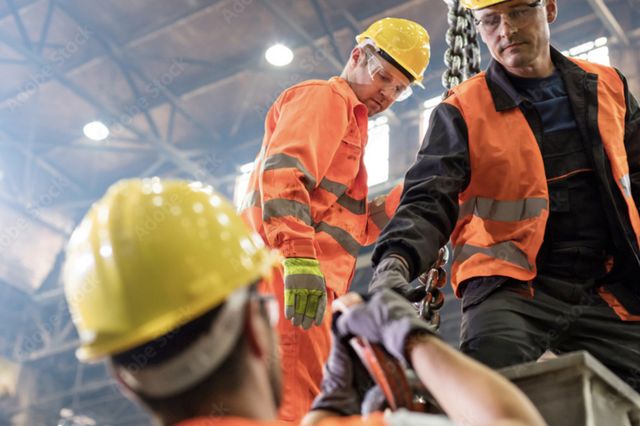
electricity and arc flash
Our clothing, tailored to specific risk levels, offers significant protection, enhancing safety in industries where Arc Flash incidents are prevalent, minimising the risk of serious burns and injuries.
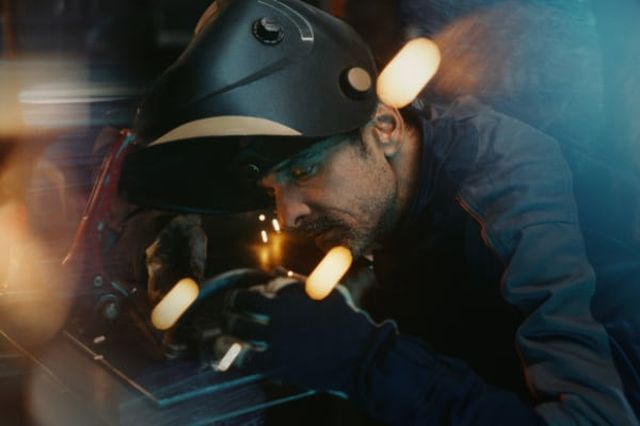
heat, flame, and welding
Burning hot embers, sparks and fire should never touch the skin of a human, our high-performance, FR and Welding protection garments are essential for workers in these environments.

visibility
Stay seen and secure with our high-visibility solutions, designed to keep workers visible and protected in environments such as railways, roads, docks, airports, and construction.
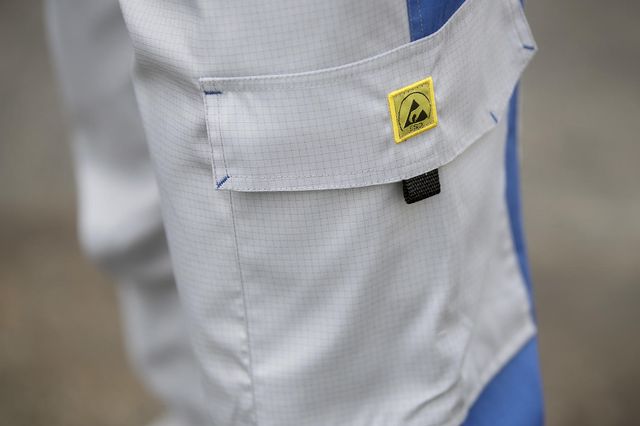
anti-static / ESD
Industries where electrostatic discharge poses a threat require anti-static/ESD garments. These specialized garments prevent static electricity buildup during sensitive operations, providing a crucial line of defense for worker safety.
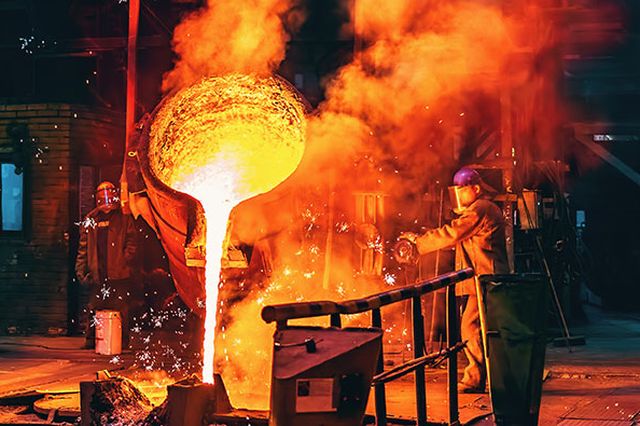
molten metals
Protective solutions to ensure your team's safety from molten metal hazards, ensuring maximum-level protection against various metals, including zinc, nickel, and lead, ensuring your team's safety.
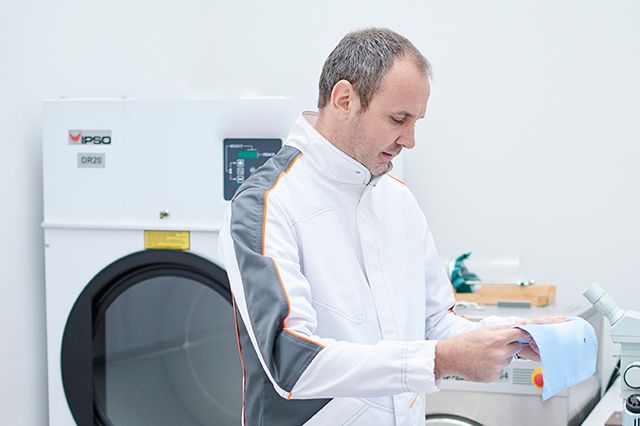
chemical
Chemical-resistant attire is necessary for protecting workers from hazardous substances in various industries. Alsico's reliable protective clothing creates a secure barrier against potentially harmful chemicals, prioritizing workplace safety.
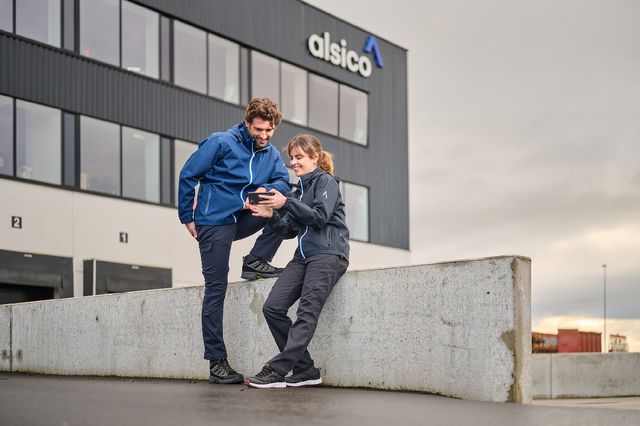
rain and cold
Rain and cold weather workwear is pivotal in ensuring safety and comfort in challenging conditions, ensuring workers across diverse industries can perform their tasks safely and efficiently.
get in touch
