
24 November 2026
What is the difference between arc flash and flame-resistant clothing?
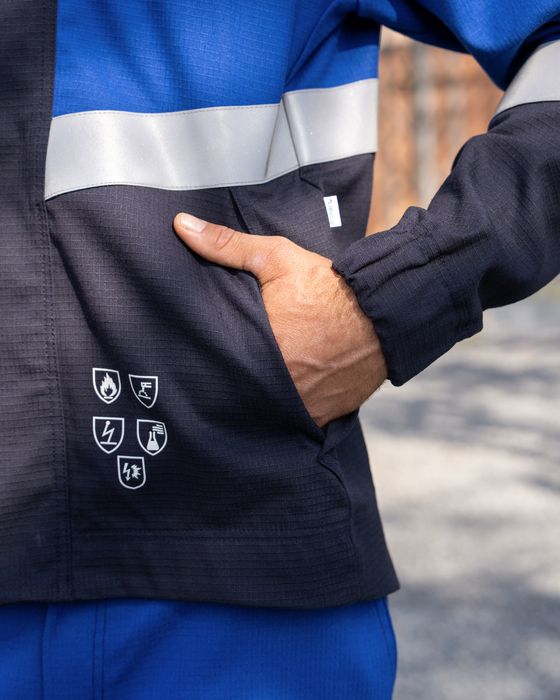
Flame-resistant clothing can protect workers from serious burns, but that doesn't necessarily mean it'll protect them during an arc flash. The two types of protective clothing are often confused, particularly because arc-rated garments must also have flame-resistant properties.
The difference comes down to the hazards they're designed and tested to protect against. Flame-resistant clothing limits ignition and flame spread, while arc flash clothing provides tested protection against the intense thermal energy released during an electrical arc.
Choosing between arc flash and flame-resistant clothing starts with understanding those hazards. A garment that's suitable for welding or other work involving heat and flames may not provide the protection someone needs when working around electrical equipment.
If your workers face electrical arc hazards, our arc flash protective clothing range includes garments tested to EN 61482-2, the European standard for clothing designed to protect against the thermal effects of an electric arc.
What is flame-resistant clothing?
Flame-resistant (FR) clothing is designed to resist ignition, limit the spread of flames and reduce burn injuries when workers are exposed to fire or heat.
Ordinary clothing can continue burning after an ignition source has been removed. Some fabrics can also melt, potentially causing serious burns when molten material comes into contact with the skin.
FR fabrics are designed to behave differently. They resist ignition or self-extinguish when the ignition source is removed, helping limit the spread of flames. Depending on the garment's construction and certification, they may also provide protection against other heat-related hazards.
You'll find flame-resistant workwear used in industries such as welding, manufacturing, petrochemicals and utilities, where workers may encounter open flames, sparks or hot materials.
However, flame resistance alone doesn't tell you how a garment will perform when exposed to the energy released during an electrical arc.

How does flame-resistant fabric work?
There are two main ways fabrics achieve flame resistance.
What is arc flash clothing?
Arc flash clothing is protective workwear designed to reduce burn injuries caused by the thermal effects of an electrical arc.
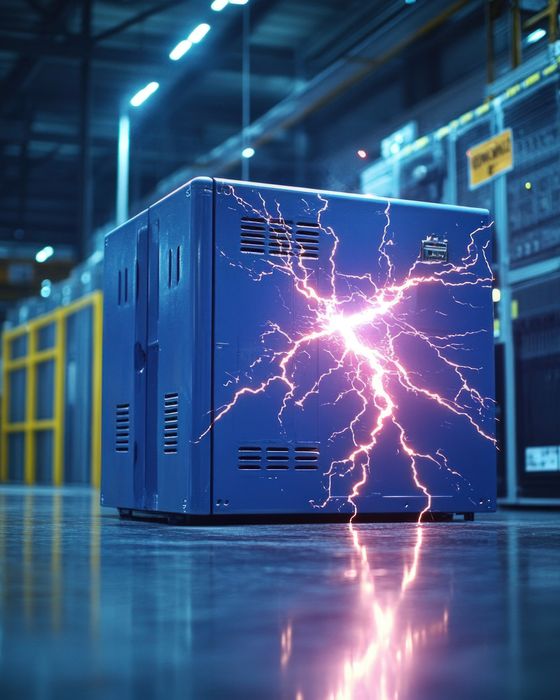
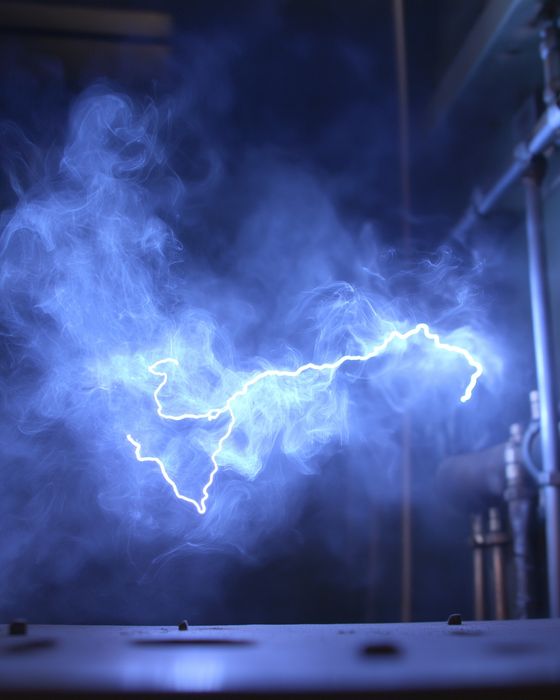
An arc flash occurs when an electrical fault causes current to travel through the air between conductors or between a conductor and earth. The resulting arc can release intense heat in a fraction of a second, potentially causing severe burns to anyone nearby.
Unlike exposure to an ordinary flame, an arc flash can involve an extremely rapid release of thermal energy.
Arc-rated clothing is tested specifically for these conditions. Its purpose is to limit the amount of heat transferred through the garment to the wearer's skin, reducing the likelihood and severity of burns.
This is why standard flame-resistant clothing can't automatically be used as a substitute.
How does arc-rated clothing provide protection?
Arc-rated clothing combines flame-resistant materials with fabric construction and garment design that have been assessed for electrical arc exposure.
The clothing is tested to establish how it performs when exposed to the thermal energy of an arc.
Depending on the test method, results may include an arc rating expressed in calories per square centimetre (cal/cm²) or an arc protection class.
These results help determine whether the clothing is suitable for the potential exposure identified in an arc flash risk assessment.
Arc-rated clothing doesn't prevent an electrical fault or protect against every consequence of an arc flash. Its certification addresses the thermal hazard, while other risks, including electric shock, require separate controls.
Arc flash vs flame-resistantclothing: what's the difference?
The clearest difference is the type of exposure each garment has been tested to withstand.
What standards apply to flame-resistant and arc flash clothing?
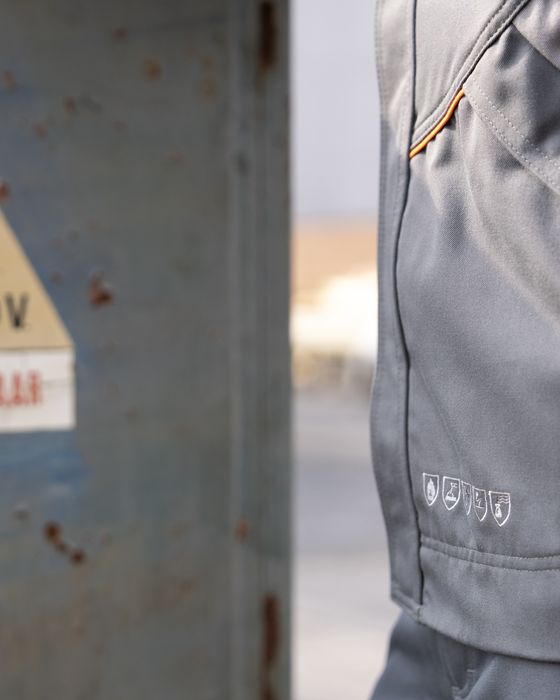
The standard shown on a garment's label tells you what it has been assessed against. Understanding that distinction helps you avoid choosing flame-resistant and arc flash clothing that meets one protective requirement but leaves another unaddressed.

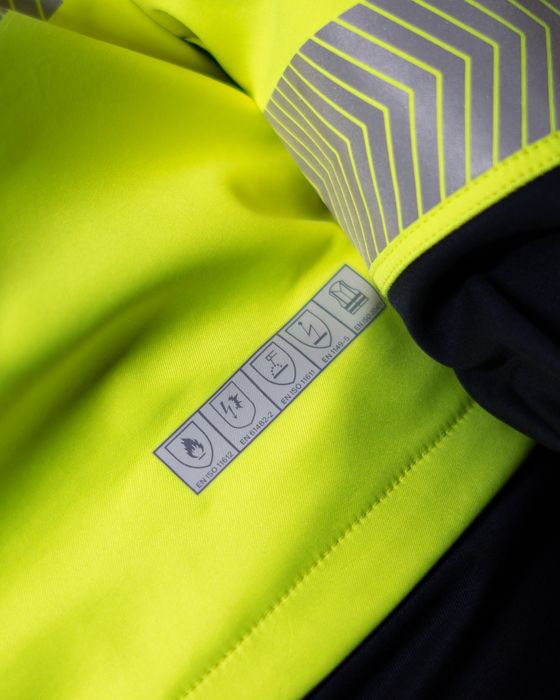
EN ISO 11612: protection against heat and flame
EN ISO 11612 specifies performance requirements for protective clothing intended for use where workers may be exposed to heat or flames.
Depending on the protection claimed, garments are assessed for properties such as limited flame spread, radiant heat, convective heat, contact heat and molten metal splash resistance.
The relevant performance codes and levels appear in the garment's certification.
But EN ISO 11612 certification doesn't establish that clothing provides suitable protection against electrical arc exposure.

EN 61482-2: protection against electrical arcs
EN 61482-2 sets requirements for clothing designed to protect against the thermal hazards of an electric arc.
Unlike general flame-resistant clothing standards, it addresses the garment's performance when exposed to electrical arc conditions.
Two test methods are used to assess this protection:
- Open arc testing (IEC 61482-1-1): Produces values including ATPV, EBT and ELIM, expressed in cal/cm².
- Box testing (IEC 61482-1-2): Assesses protection under defined test conditions, with classifications APC 1 and APC 2.
These results use different methods and can't be treated as directly interchangeable.
When selecting arc-rated clothing, check the manufacturer's documentation and make sure the protective performance matches the assessed exposure.
Is all arc-rated clothing flame-resistant?
Yes. Arc-rated clothing must have flame-resistant properties because it needs to resist ignition and limit thermal injury during an electrical arc.
However, the reverse isn't true. A flame-resistant garment may perform well when exposed to flames without having the tested thermal protection needed for an arc flash.
Two coveralls might both meet EN ISO 11612. But if only one is also certified to EN 61482-2, you can't assume the other will provide equivalent arc flash protection.
The fabric composition or a general FR label isn't enough to establish suitability. Check the finished garment's applicable standards and arc test results before approving it for electrical work.
Can clothing protect against both arc flash and flame hazards?
Yes. Some protective garments are certified to both EN 61482-2 and EN ISO 11612, allowing them to address different thermal hazards.
This is useful when workers carry out several types of maintenance or operate in environments where electrical and other heat-related risks overlap.
However, dual certification doesn't mean a garment is suitable for every situation involving heat or electricity.

Check the full protective specification
A garment may also need anti-static properties, high visibility or protection against specific industrial hazards.
Each requirement should be supported by the relevant standard and the garment's documented performance.
A worker carrying out maintenance in an operational utility environment may need arc-rated clothing with high-visibility properties. But if the role also involves welding, you should check whether the garment has the appropriate welding certification.
Don't assume that combining several certifications automatically covers every hazard. The full specification must reflect the tasks being carried out and the conditions in which the clothing will be worn.

How do you choose between arc flash and flame-resistant clothing?
The right choice depends on the risks your workers face.
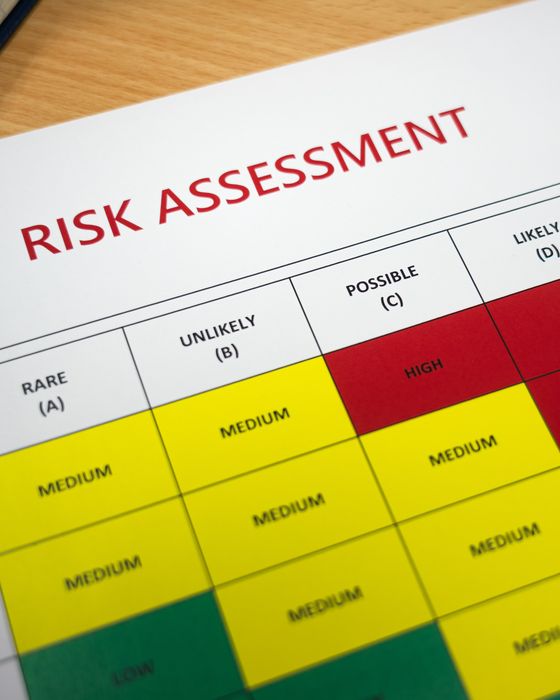
Start with the workplace risk assessment. Identify the potential sources of heat or ignition, the likelihood of exposure and the severity of the consequences.
If there's a risk of electrical arc exposure, the assessment needs to establish the thermal protection required. General flame resistance won't be enough to demonstrate suitability.
If the work involves welding, open flames or other industrial heat hazards, check which protective clothing standards apply to those activities.

Don't overlook garment fit and compatibility
Even correctly certified clothing can leave someone exposed if it doesn't fit or isn't worn properly.
A jacket that rides up when someone reaches overhead, for example, may expose the lower back. Sleeves that pull away from gloves can leave the wrists unprotected.
You also need to check how different garments work together. Adding an ordinary waterproof jacket over arc-rated clothing, or using unsuitable base layers, could affect the protection provided.
Where workers need several protective properties, check the complete clothing arrangement and follow the manufacturer's instructions.
Look beyond the initial specification
Protective clothing needs to remain suitable throughout its working life.
Before approving garments, check their laundering requirements, inspection procedures and any restrictions on repairs or alterations.
It's also worth assessing how comfortable the clothing is during everyday work. If a garment restricts movement or becomes uncomfortable during a long shift, workers may be tempted to adjust or unfasten it.
Wearer trials can help you identify these problems before a clothing specification is finalised.
Find the right protective clothing with alsico
Choosing between arc flash and flame-resistant clothing comes down to understanding the hazards, checking the relevant standards and making sure the garments provide protection where it's needed.

At alsico, we design and manufacture protective workwear for electrical and high-heat environments, with garments certified to recognised standards, including EN 61482-2 and EN ISO 11612.
Our UK team can help you explore suitable garments, fit options and protective specifications. With our global network of owned production facilities, we also support the supply requirements of organisations providing workwear across different roles and locations.
Whether you're reviewing existing PPE or sourcing clothing for a new project, we're here to help.
Frequently asked questions
Flame-resistant clothing may be suitable for certain electrical tasks, but it shouldn't automatically be used where an arc flash hazard has been identified. If your risk assessment requires arc-rated protection, choose garments certified to the appropriate standard and with protective performance suitable for the assessed exposure.
No. EN ISO 11612 covers protection against specified heat and flame hazards. It doesn't establish a garment's protective performance during an electrical arc. For arc flash hazards, look for EN 61482-2 certification and check the relevant arc test results against your risk assessment.
Yes, some garments carry both EN 61482-2 and EN ISO 11611 certification, which covers protective clothing for welding and allied processes. Check the specific protection classes and performance levels. The fact that a garment is arc-rated doesn't automatically mean it provides suitable protection for welding.
Not necessarily. The PPE required depends on the tasks performed and the hazards identified through risk assessment. Workers carrying out different activities may face different exposure levels. You can standardise clothing where appropriate, but the specification must still provide adequate protection for each assessed risk.
Contact form
You might also want to read